Lighting Companies Including GE Current and LEDVANCE Sponsor Free LED Lights for Coronavirus Remote Site Testing

The National Lighting Bureau (NLB), through its members, is offering free LED lights for the remote sites being set up across the U. لعبة البوكر S. to test for the coronavirus.

The Bureau provides its services to the public free of charge with the funding of the organization’s sponsors, which include individuals, professional societies, trade associations, labor unions, manufacturers, and agencies of the U. arabic casino S. government. The participated associates include:

  • BIOS Lighting
  • Finelite
  • GE Current, a Daintree Company
  • Healthe by Lighting Science
  • Illuminating Engineering Society (IES)
  • Imperial Lighting Maintenance Company
  • Inspired LED
  • International Association of Lighting Management Companies (NALMCO)
  • International Brotherhood of Electrical Workers (IBEW)
  • Kurtzon Lighting
  • LEDVANCE
  • Lighting Controls Association (LCA)
  • Lutron Electronics Company, Inc.
  • National Electrical Contractors Association (NECA)
  • National Electrical Manufacturers Association (NEMA)
  • New Star Lighting
  • Pompeo Group
  • QSSI
  • Truly Green Solutions
  • Universal Lighting Technologies
  • U.S. General Services Administration
  • ZLED Lighting

Ray Kasmark, NLB Chairman, said, “We believe that quality lighting inside of the tents will increase throughput while improving the safety and comfort during the testing process.”

Americans Rehanging Christmas Lights To Light Darkness of Coronavirus

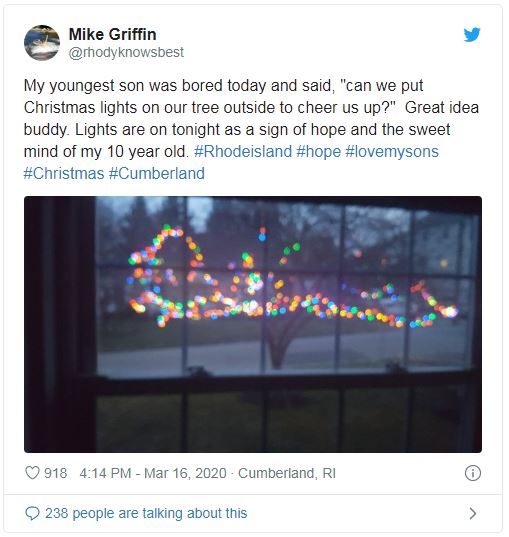
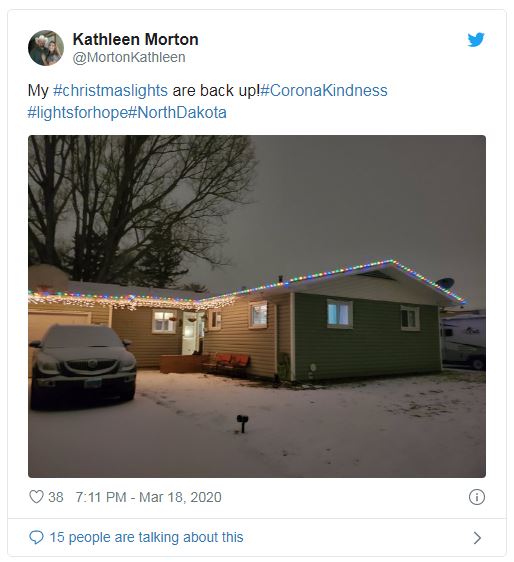
Across the country, Americans are literally shining a light amid the darkness of the coronavirus pandemic.

Nearly three months after Christmas, people practicing social distancing at home are putting their lights back up to help lift everyone’s spirits as the country fights through the crisis.

“What if we all put our Christmas lights back up?” Lane Grindle, a play-by-play broadcaster for the Milwaukee Brewers, tweeted Sunday. “Then we could get in the car and drive around and look at them. That seems like a fair social distancing activity.”


Since then many have rehung their lights and shared their handiwork on social media.


Lighting Tips For Open Floor Plans

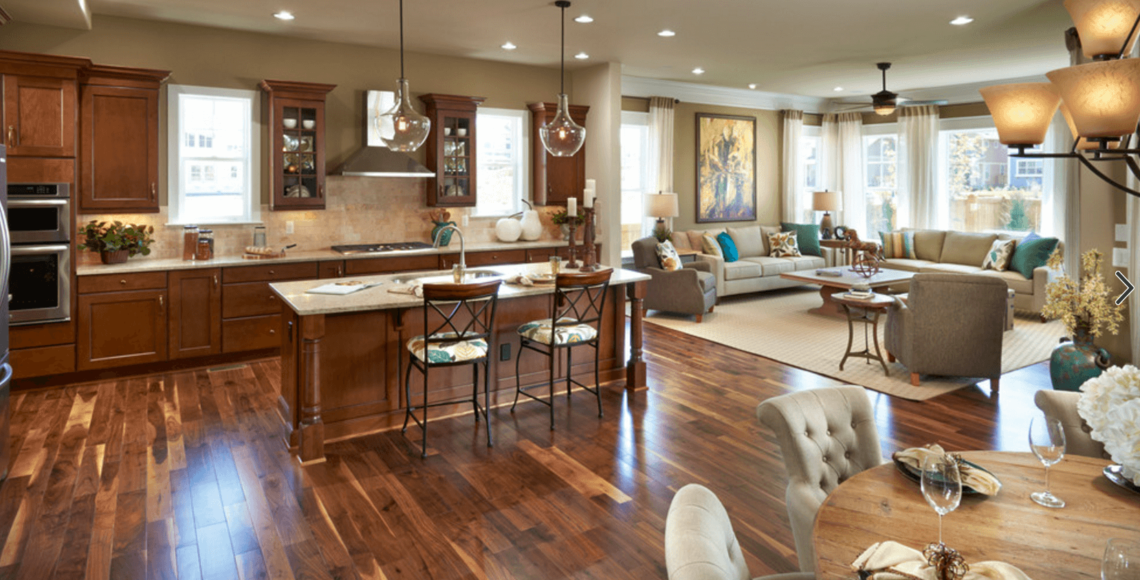
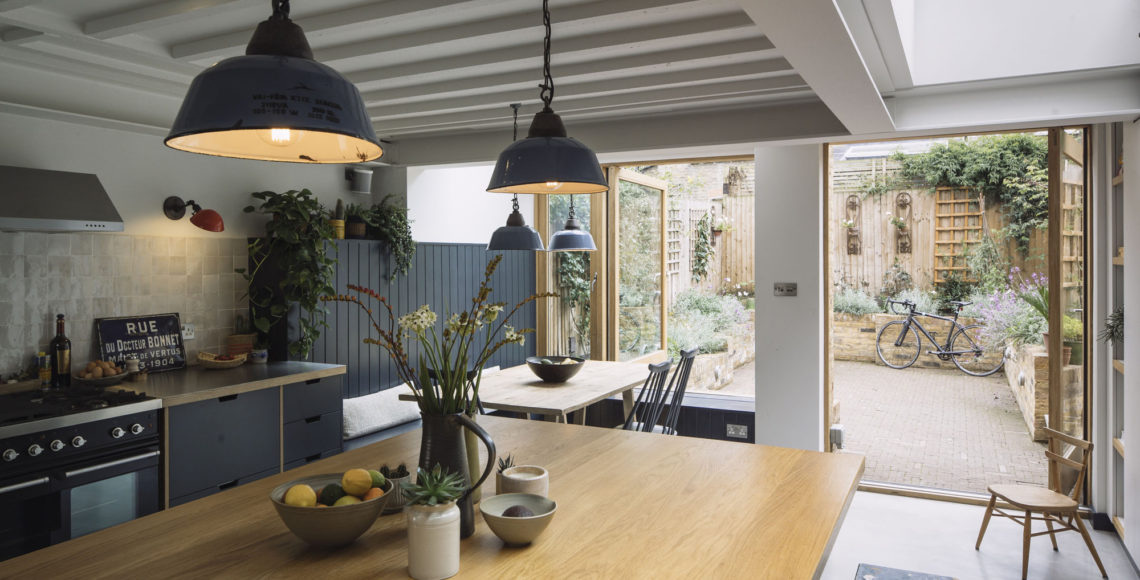
Many home designs incorporate an open floor plan, where cooking, dining, and entertaining are enjoyed in the same space. Even a small space can feel bigger and brighter when walls are opened up, and the light is let in. Planning the right lighting is a crucial part of designing beautiful, light-filled, open-concept spaces.

Consider the architectural features of the open floor plan, such as high ceilings, lack of interior walls, and numerous windows, as all of these factors add to the overall light of the space. 1xbet موقع To avoid over-lighting an open floor plan, think in layers: ambient, task, and accent lighting. The first layer, ambient lighting, provides the general lighting for the space. Recessed, linear, flush mounts or similar fixtures are good choices here, serving an ambient source of light and helping to guide the flow from room to room.

Next, select task lighting. In the kitchen, choose fixtures that direct light onto countertops, islands, cooking surfaces, and other work areas. Undercabinet tape and puck lighting, track lighting, pendant lighting, and even recessed lighting are excellent selections, as they will give the ideal amount of light to complete tasks safely and
efficiently.

In the dining area, use pendants and chandeliers to provide light for dining, homework, and other tasks that take place at the table. كازينو دوت كوم Try large pendants or chandeliers to highlight the kitchen island or dining table and give vertical definition to those spaces. In the living area, choose statement-making fixtures to define the area, create
intimacy, and add drama.

Finally, add a layer of accent lighting, such as wall sconces in the dining area, and table and floor lamps in the living room to give comfort and a soft ambiance. Remember to take note of electrical outlets in the lighting plan for placing plug-in light fixtures.

Thoughtful lighting design is essential for every room, and especially in an open concept plan, where it’s all about visual flow. Achieve a cohesive look by selecting lighting finished in the same, or closely related, finishes as the kitchen faucets and appliances. بيت واي Try mixed-metal light fixtures that add personality and interest to the space, or
stick with a limited color palette to keep the area feeling connected.

How To Upgrade Lighting For Multifamily Buildings

Whether your multifamily building is apartments, condos, or retirement homes, you’re probably facing a common problem: energy costs.

A lighting retrofit is a great way to decrease those electricity bills. Plus, with increasingly stringent building code, upgrading to LED might not be a choice for much longer.

Our goal is to make lighting easier, so we are offering you four steps on how to upgrade multifamily buildings.

1. Set your goals

Before you start any project, you need to set your final goal. A lighting retrofit is no different. Upgrading your lighting can be a big financial decision, and we want to make sure it’s one you’re comfortable with.
Here are some good questions to ask before you decide what your lighting retrofit should look like:

Is your primary goal energy efficiency?

What’s the biggest problem with your current lighting plan? موقع حقيقي لربح المال

What does your budget look like? Can you retrofit all of your lighting at once or do you need to start with smaller projects?

Once you have the answer to these questions, you can move on to Step 2.

2. Use the lighting pyramid

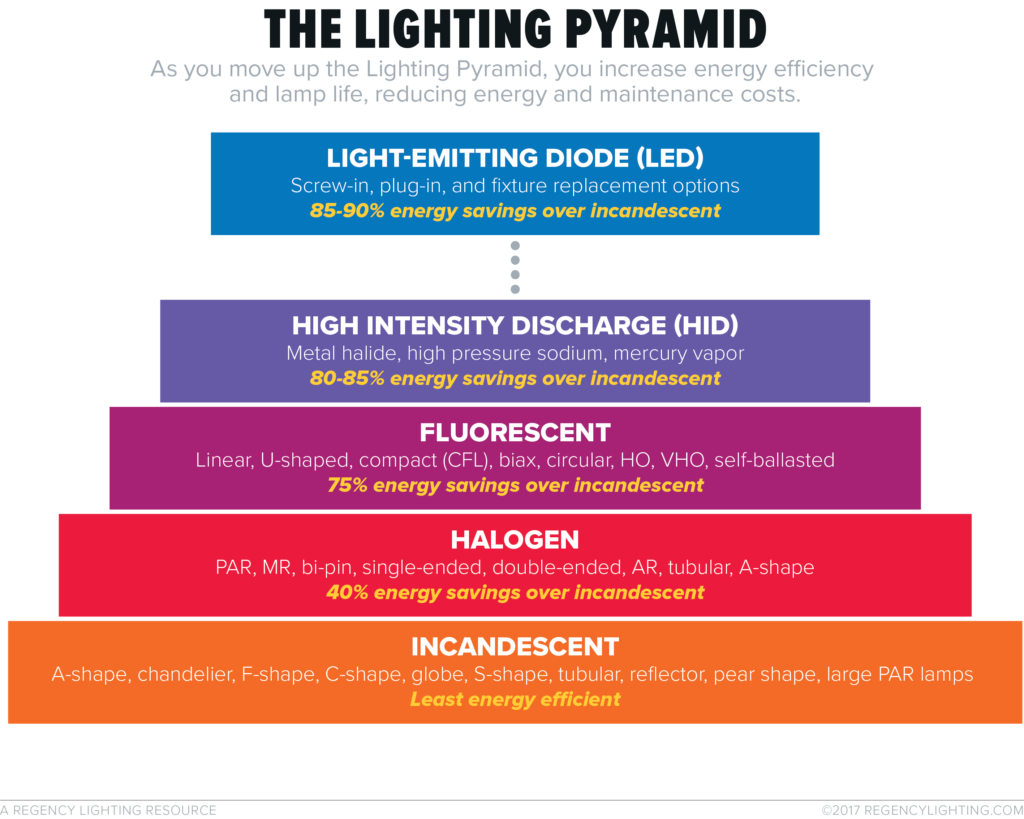
To explain how much energy your lighting is using, we like to use what we call the lighting pyramid. Here’s how it works. The type of lighting at the bottom of the pyramid uses the most amount of energy. The lighting at the top uses the least amount of energy.

If you have a lot of incandescent light bulbs in apartments or condos, or in your lobby, consider replacing those with LED first. Then work your way up the pyramid.

By the way, did you know some states are banning incandescent light bulbs? You can check to see if your state is included here.

Or if you’re focusing on other ways to save energy, check out our blog on five strategies for multifamily buildings.

3. Focus on high-burn areas

You most likely have places on your property where lights are on at all times of the day.
Focusing on these areas that need to be well-lit at all times could be a good strategy for you:

  1. Parking garage or lot
  2. Stairwells
  3. Lobby
  4. Common areas

This is one of the strategies an Atlanta apartment building used to help achieve a payback in under six months. The initial interest was moving to more sustainable, energy-efficient lighting.

The end product was instant savings and more for years to come. You can read more about the solutions here.

4. Lighting controls

Adding lighting controls can help you save even more energy. The systems can be as simple or as complicated as you would like, and they may even be required in some jurisdictions. بينجو العاب
As a basic start, try installing occupancy sensors in laundry rooms and meeting rooms that will not be occupied all the time.

Benefits of a lighting retrofit for multifamily buildings

The benefits from a lighting retrofit will go beyond a lower electricity bill. Here are a few other bonuses:
Safety – Safety is a feeling that residents should get when they step on your property. It can also be a deciding factor to stay there or look for another place to call home. Pay attention to your parking garage or parking lots and exterior lighting to make sure safety standards are met.
Attracting new tenants – If you’re struggling to retain and attract tenants, a lighting upgrade can become one of your selling points. Your lighting will look great, but it will also be more sustainable and greener. لعب اون لاين
Quality of life – Quality lighting can also enhance quality of life. We recommend choosing lighting with a high CRI in areas like a business room, office, or common area.
If you have questions about your next lighting project, or any lighting challenges you’re trying to solve, please do not hesitate to contact us.

Mood Changers: Lighting Design 101 – Why Lighting Is The Most Important Design Feature

Walk into a room bathed in cozy, inviting light and you’ll feel instantly at ease. Walk into the same room buzzing with harsh fluorescents, and your teeth may start to grind.

Why?

In 2019, a Journal of Consumer Psychology study found that the more intense the lighting, the more affected and intense the participants’ emotions were — both positive and negative.

The study included six experiments that examined the link between emotion and ambient brightness. Feelings of warmth increased when participants were exposed to bright light with hints of reddish hues. A sensation of angst increased when bluer light dominated.

And the brighter the light, the more intense the participants’ emotions became. Both the intensity and the color of the light affected people’s moods.

How Does This Affect Your Next Remodel?

When designing a space, lighting needs to be addressed as soon as the space itself, and how it will be used, are defined.

For example, if it’s an office space you are designing, “office lighting should encourage alertness and productivity,” said Rebecca Hadley, manager of Eaton’s SOURCE lighting education center. It also helps to “incorporate controls that allow for changes throughout the day. Ideally, you’d have the ability to adjust the intensity of your lighting with a dimmer switch.”

When lighting for a home, the purpose of each room comes into play. The kitchen, a work space, demands brighter, high CRI (color accurate) light while the living room calls for more mellow, warmer lighting.

“Our association of orange-ish light with feelings of warmth and relaxation is probably evolutionary and originates from our earliest ancestors who, for both warmth and safety from predators, made sure to light a fire at night.”

-David Hakimi, Alcon Lighting Co-Founder

The entrance of your home should welcome guests, creating a smooth transition from the bright daylight to your home’s interior lighting. At night, the lighting should ease the visitor from the dark outdoors into a warm interior light that will not overload their senses and help them relax. Before bed, lighting should be lowered to promote “winding down” but remain bright enough so that you can navigate your home safely.
 

Mimicking Outdoor Lighting

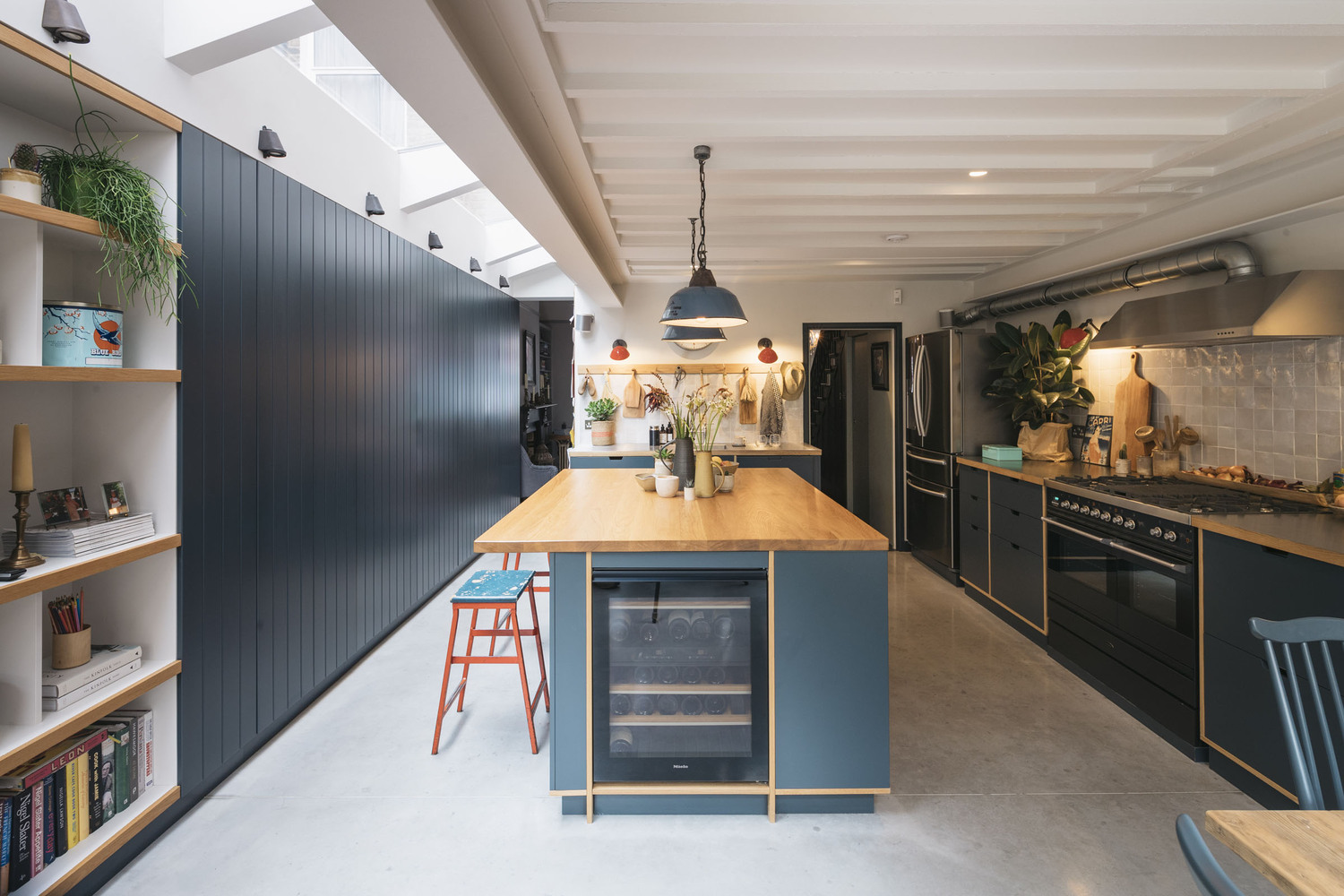
Vast research documents the many benefits of incorporating natural light into our living spaces. According to Architectural Lighting Magazine, natural light — or daylighting — provides the stimulation needed to regulate human circadian rhythms, or the internal body clock. Learn more about the health benefits of natural light here.

In addition to circadian rhythms, natural light also affects our moods and can increase productivity and comfort in a workplace setting. A study by HMG titled “Daylighting Impacts on Retail Sales Performance,” found that the presence of skylights was the third-most important criterion of statistically significant factors in increasing sales volume. HMG also studied daylighting in schools and found a strong connection between schools that reported improvements in test scores — more than 10 percent — and those that reported increased natural lighting in the classroom.

Natural lighting can have a similar impact when incorporated in a home’s lighting plan. Beyond energy savings, exposure to natural light improves mood and can help make falling asleep easier. Spending your day in areas that are enhanced by natural light can improve the function of your circadian rhythm, which can increase your happiness and energy levels. Exposing yourself to too much blue light from electronics in the evening is directly associated with the opposite effect, which you can read more about here.

Eaton’s Hadley said industry research suggests indoor light (during the day) should mimic the color of light we experience outside by seeking similar gradations over time: “…cool light in the morning, to white light at midday, to warm light in the evening.”

Of course, the most important factor in lighting your home is what you yourself prefer. But Alcon Lighting’s David Hakimi recommends one key step everyone can take to create a calm, pleasing environment that mimics outdoor lighting:

“At night, use lights that feature warmer color temperatures – those that fall in the 2,700 to 3,000 Kelvin range. Also, use a dimmer to lower the intensity of light as the night progresses. Lowering lighting actually helps reduce blood pressure and encourages people to relax. So dimmer lights in the bedroom — and reduce use of electronics.”

Flexibility is Key

Flexibility is one natural benefit of smart lighting design. New advancements in lighting controls have made lighting for mood easier than ever.

Newer LEDs with integrated controls and the ability to dim to warmer color temperatures are becoming popular in the hospitality industry because of their ability to affect the customer experience. “Warmer light and lower light levels have been shown to slow heart rate and create a relaxing state,” Hadley explained. “As a result, customers might be inspired to enjoy appetizers and cocktails rather than rushing through to the main course.” Conversely, some restaurants might put brighter light in an area where they want to turn tables quickly.

Color Plays a Role, Too — but it’s Easier to Adjust Lights.

Color is the most important aspect in lighting and mood.

However, Alcon’s Hakimi notes that It’s much easier to adjust lighting than to paint walls. In fact, you can change the color of your room just by brightening or dimming it.

The Most Important Design Element

With the ability to largely affect the mood of a room, lighting is the most important element to consider when designing a space.

In addition to altering the mood of the occupants in a room, lighting can transform the room in shape and size. In a den that is particularly small, painting the walls a light color and having extra lighting reflecting off the walls will help the room appear larger. Recessed lighting can add a soft glow to a room without protruding into the space, which can also help the room appear larger.

With its versatility in brightness levels and light colors, designers continue to turn to LED lighting. Advances in LED technology have led to several new fixtures, including LED skylights that imitate the look of a window and the sky. These “skylights” shed light that is the same temperature as natural light — offering an open, airy feeling and helping the room’s occupants to feel a more positive vibe.

With continued research and innovation in lighting, homeowners and designers have many options when it comes to selecting the right lighting to set the right mood for their space.


Get a free quote for your project. Click here.